
Effective Quality Improvement Systems Explained
- RQAS

- Nov 25, 2025
- 3 min read
When it comes to manufacturing, quality is king. But maintaining high standards consistently? That’s where things get tricky. I’ve spent years diving into what makes quality systems tick, and I’m here to share what I’ve learned. Whether you’re running a small production line or managing a sprawling factory, understanding effective quality systems can save you headaches, reduce product returns, and boost your bottom line.
Let’s break down the essentials of quality systems, explore how they work in practice, and see how you can implement them without drowning in complexity or costs.
What Makes Quality Systems Effective?
Effective quality systems are not just about ticking boxes or passing audits. They are about creating a culture and process that consistently deliver products meeting or exceeding customer expectations. Here’s what sets the best systems apart:
Clear Processes: Every step, from raw materials to finished goods, is mapped out and controlled.
Consistent Monitoring: Regular checks and inspections catch issues before they become costly problems.
Employee Involvement: Quality isn’t just the QA team’s job; everyone plays a role.
Data-Driven Decisions: Using real data to identify trends and areas for improvement.
Continuous Improvement: Always looking for ways to do better, not just maintaining the status quo.
For example, a factory producing automotive parts might implement a system where each batch undergoes dimensional checks, surface finish inspections, and functional tests. If a defect rate spikes, the system triggers an investigation and corrective actions immediately.

How to Build Effective Quality Systems in Your Operation
Building an effective quality system doesn’t mean reinventing the wheel. It means tailoring proven principles to your specific needs. Here’s a straightforward approach:
Define Quality Standards: Start with clear, measurable criteria for your products.
Document Processes: Write down how each task should be done to meet those standards.
Train Your Team: Make sure everyone understands their role in maintaining quality.
Implement Inspections: Use checklists, gauges, or automated sensors to monitor quality.
Collect and Analyze Data: Track defects, causes, and corrective actions.
Review and Improve: Hold regular meetings to discuss findings and update processes.
A practical tip: use visual aids like flowcharts and checklists on the shop floor. They keep everyone on the same page and reduce errors.
The Role of Technology in Quality Systems
Technology can be a game-changer for quality control. From simple barcode scanners to advanced AI-powered inspection cameras, the right tools can make your system more reliable and less labor-intensive.
For instance, automated inspection systems can detect surface defects or dimensional inaccuracies faster and more accurately than manual checks. This reduces human error and speeds up the process.
But beware of overcomplicating things. The best technology fits your operation’s scale and complexity. Sometimes, a well-designed manual checklist combined with periodic audits is all you need.
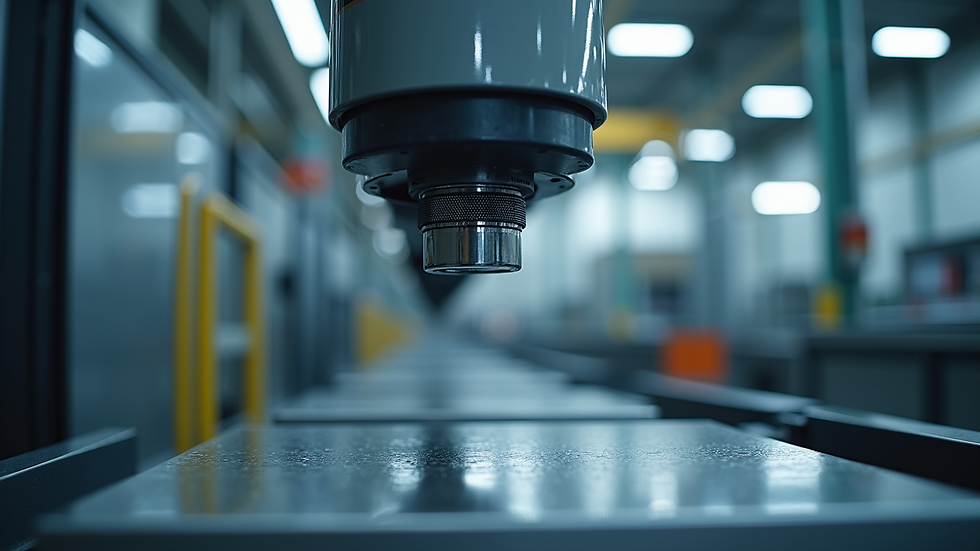
Why a quality improvement system Matters
I can’t stress enough how a solid quality improvement system can transform your manufacturing process. It’s not just about catching defects but preventing them. The system I recommend integrates inspection, maintenance, and data analysis into one seamless workflow.
Imagine a system that alerts you when a machine’s performance dips, schedules maintenance automatically, and tracks product quality in real-time. This proactive approach reduces downtime and scrap rates, saving money and frustration.
Plus, with no ongoing subscription fees, you avoid the trap of paying forever for software that doesn’t deliver. It’s a smart investment for manufacturers serious about operational excellence and sustainable growth.
Tips for Sustaining Quality Over Time
Setting up a quality system is just the start. Keeping it effective requires ongoing effort. Here are some tips to keep your system sharp:
Regular Training: Refresh skills and update staff on new procedures.
Frequent Audits: Don’t wait for external audits; do your own regularly.
Encourage Feedback: Frontline workers often spot issues first.
Celebrate Successes: Recognize teams when quality targets are met.
Stay Flexible: Be ready to adapt as products, processes, or customer needs change.
Remember, quality is a journey, not a destination. The best systems evolve with your business.
If you’re ready to cut down on product returns and boost your quality control without breaking the bank, investing in an effective quality system is the way to go. It’s about working smarter, not harder, and making quality a natural part of your daily operations.
Give your manufacturing process the boost it deserves. Your customers - and your bottom line - will thank you.


Comments